Propose vs Purpose: Learn the Difference Fast with Clear Examples to Write Better

Propose vs Purpose

Introduction Many English learners often get confused between “propose” and “purpose” because both words sound slightly formal and are sometimes used in similar academic or professional contexts. However, their meanings are completely different, and mixing them up can change the entire meaning of a sentence. This confusion happens because both words are commonly used in … Read more

Propose or Purpose: Learn the Difference Fast with Clear Examples to Write Better

Propose or Purpose

People often confuse propose and purpose because the two words look and sound somewhat similar. However, they have completely different meanings and are used in different situations. Mixing them up can make your writing unclear, especially in school assignments, business emails, competitive exams, and everyday communication. If you’ve ever wondered whether to write “I propose … Read more

I Didn’t Do Nothing or I Didn’t Do Anything – Learn the Difference Fast With Clear Examples to Write Better

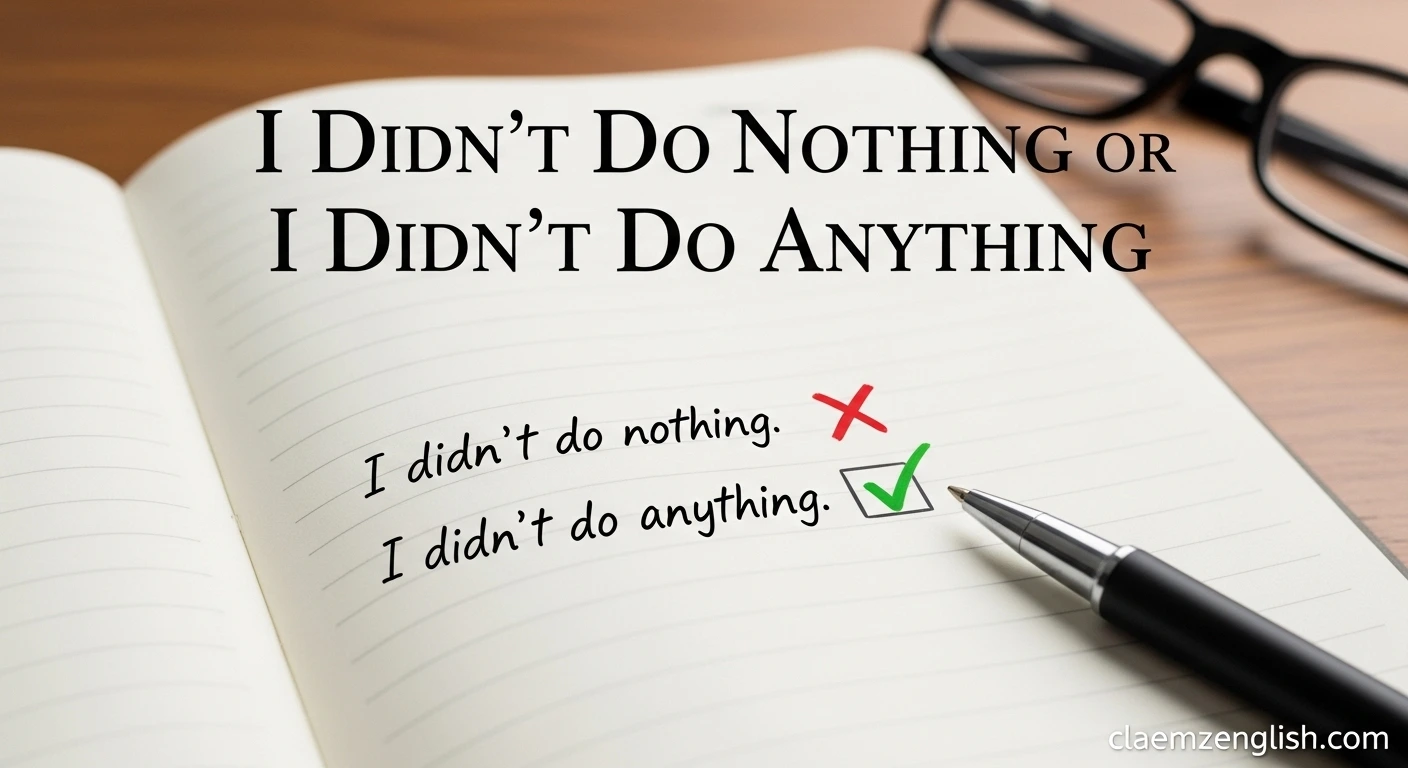
I Didn’t Do Nothing or I Didn’t Do Anything

Introduction Many English learners, students, and even native speakers often get confused between phrases like “I didn’t do nothing” and “I didn’t do anything.” At first glance, both may sound similar in casual speech, but only one is grammatically correct in standard English. This confusion happens because of something called double negatives, which are common … Read more

By Which or In Which: What’s the Difference and How to Use Them Correctly

By Which or In Which

Many English learners, students, and even experienced writers struggle with the phrases “by which” and “in which.” At first glance, they seem similar because both connect ideas within a sentence. However, they serve different grammatical purposes and cannot always be used interchangeably. Understanding the difference between by which and in which is important for writing … Read more

Passerby, Passersby or Passerbyers: Correct Spelling, Meaning, and Usage Explained

Passerby, Passersby or Passerbyers

Many English learners get confused when they see words like “passerby,” “passersby,” and sometimes even the incorrect form “passerbyers.” These variations look similar, but only one or two are actually correct in standard English. This confusion is common because English has unusual plural rules, especially for compound words. Knowing the correct form matters in writing … Read more

Fulness or Fullness: Why One Form Is Incorrect

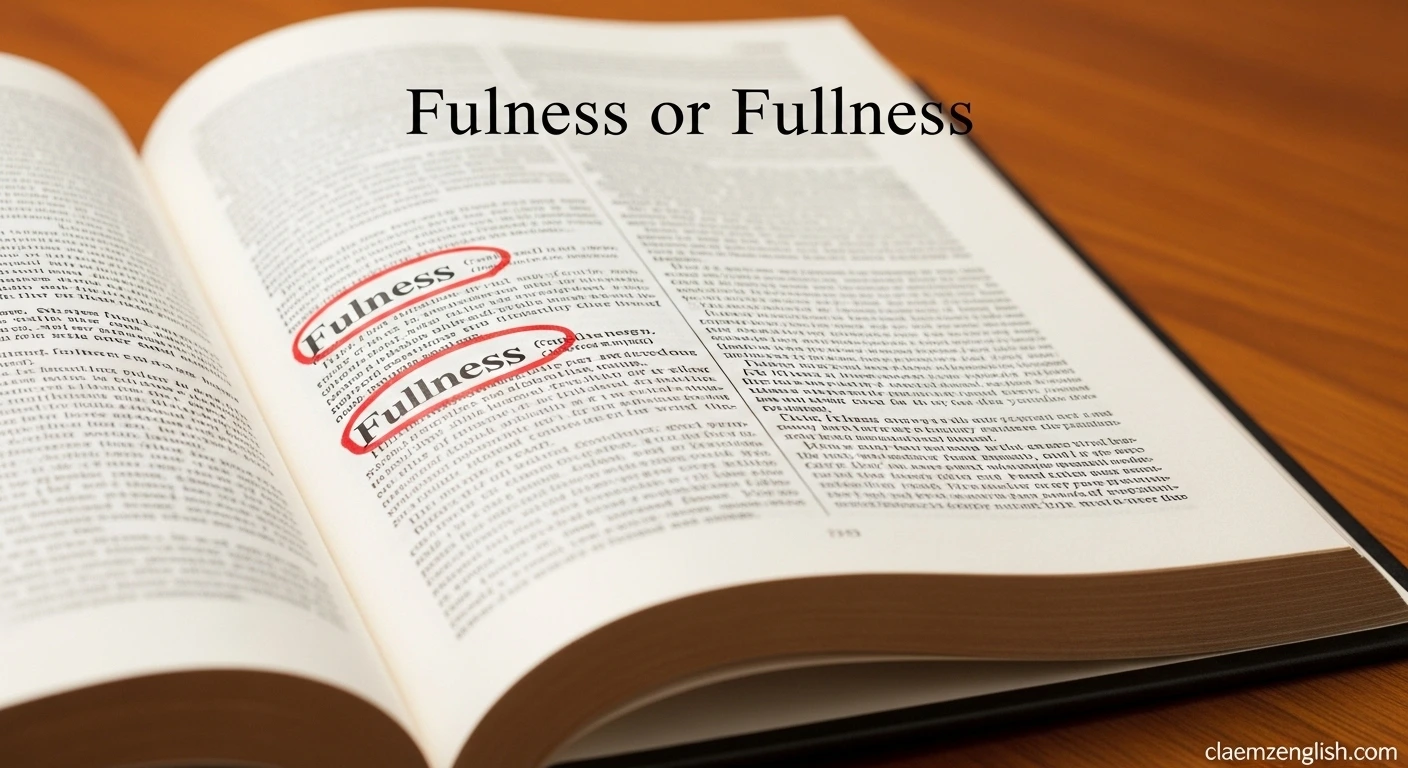
Fulness or Fullness

People often get confused between “fulness” and “fullness”, especially when writing quickly, relying on memory, or learning English as a second language. At first glance, both look similar, and both seem like they could be correct. However, only one of them is accepted in modern English usage. This small spelling difference matters more than it … Read more

Live-spel och e-sport som växande trend i underhållningsbranschen

Att följa liveevent har blivit en central del av spelupplevelsen för många entusiastiska deltagare. Den växande populariteten av att delta i bettingsidor utan svensk licens erbjuder en bredare palett av bettingalternativ, vilket gör dessa plattformar mer attraktiva än någonsin tidigare. Genom statistik kan vi se att marknadsintresset för realtidsinteraktioner och spel på internationella plattformar ökar, … Read more

Säkerhet och val av casinon för svenska spelare 2026

För att njuta av spelupplevelser online är det avgörande att säkerställa en hög nivå av kontroll av säkerhet. Genom att välja plattformar med starka säkerhetsprotokoll och bra kundomdömen kan spelare känna sig trygga i sina val. Det är viktigt att även granska regler och villkor, då de kan variera avsevärt mellan olika aktörer. Särskilt betydelsefullt … Read more