Under One’s Breath: Meaning, Usage, Examples, and Common Mistakes Explained
Under One's Breath

Have you ever heard someone say they “muttered under their breath” and wondered what it really means? Many English learners confuse this expression because its meaning isn’t literal. It doesn’t mean speaking beneath your breath—it refers to speaking very quietly, usually so that only the speaker or someone nearby can hear. Understanding under one’s breath … Read more

Is Hence Why Grammatically Correct? Learn the Difference Fast with Clear Examples

Is Hence Why Grammatically Correct?

If you’ve ever written or said “hence why” and wondered whether it sounds right, you’re not alone. This phrase appears in everyday conversations, blogs, business emails, and even published articles. Yet many grammar experts debate whether it is grammatically correct. The confusion happens because both hence and why express a reason. When combined, they may … Read more

That’s or Thats: Learn the Difference Fast with Clear Examples to Write Better

That’s or Thats

Many English learners, students, and even native speakers often get confused between “that’s” and “thats.” At first glance, they look almost the same, but only one of them is correct in standard English. This small spelling difference can affect your writing in exams, emails, assignments, and professional communication. The confusion usually happens because spoken English … Read more

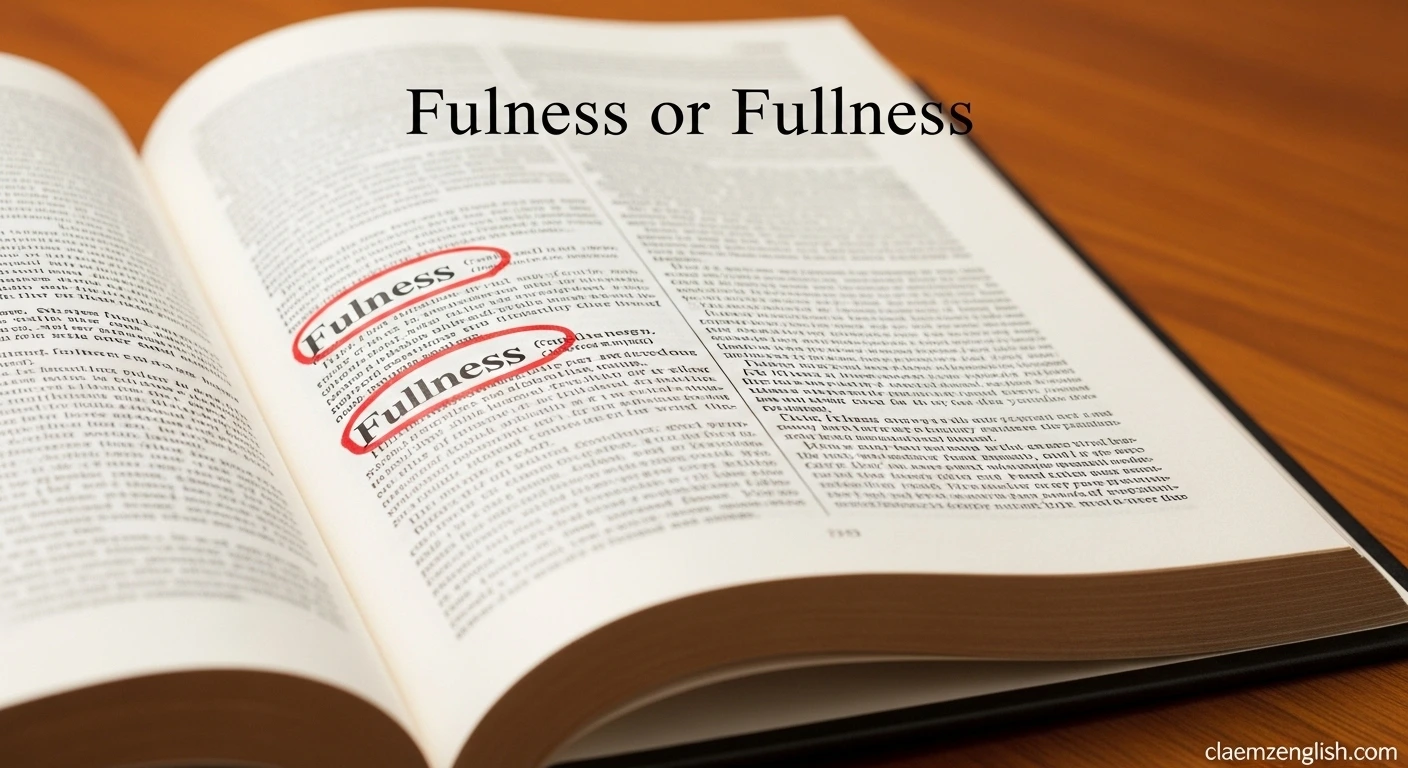
Fulness or Fullness: Why One Form Is Incorrect

Fulness or Fullness

People often get confused between “fulness” and “fullness”, especially when writing quickly, relying on memory, or learning English as a second language. At first glance, both look similar, and both seem like they could be correct. However, only one of them is accepted in modern English usage. This small spelling difference matters more than it … Read more